
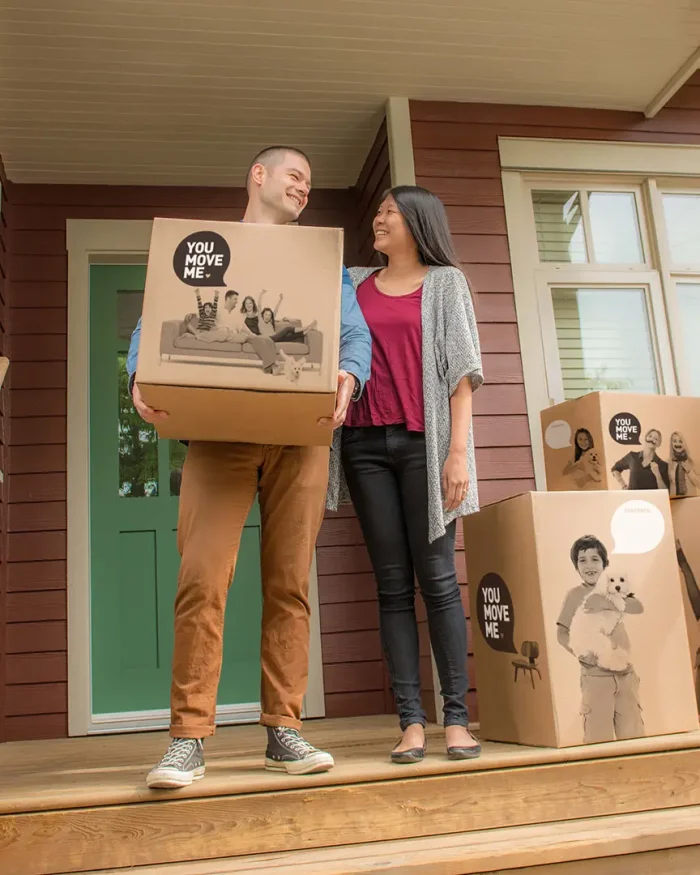
If you are moving to Denver from somewhere closer to sea level, the altitude can catch you off guard. The city sits exactly one mile up, and that thinner air changes how moving day feels. A little planning keeps it from wearing you out.
Here is what the elevation means for your move, and how to handle it.
How High Is Denver, Really?
Denver is the Mile High City, sitting at 5,280 feet above sea level. The air up here holds less oxygen than it does at the coast. You still breathe normally, but your body works a little harder for the same effort, and that difference shows up fast during physical work.
If you are arriving from somewhere near sea level, expect to notice it. Locals are used to it. Your lungs, on day one, will not be.
What the Altitude Feels Like on Move Day
Hauling boxes is hard work anywhere. At 5,280 feet, it is harder. You get winded sooner, your heart rate climbs faster, and you dehydrate more quickly because the air is so dry. Stairs, in particular, will remind you that you are not at sea level anymore.
So pace the work if you are moving at high altitude yourself. Take more breaks than you think you need, and keep water close. Pushing through the way you would back home is how people end up exhausted halfway through the day.
Give Your Body a Few Days to Adjust
Your body adapts to elevation, but it needs time. The CDC notes that the acute adjustment to altitude happens over the first three to five days. Many newcomers feel tired or headachy at first, then steadily better.
Plan around that. Try not to spend your very first day in town doing the most strenuous task of the move. Go easy on alcohol for the first couple of days, drink plenty of water, and ease into the heavy lifting.
Don’t Forget the Dry Air and Strong Sun
Denver is not just high, it is dry and sunny. Low humidity can dry out wood furniture and houseplants, so a long move in an open truck is worth planning around. The sun is stronger at altitude too, which means sunburn sneaks up on anyone working outside for hours.
Sunscreen, water, and a hat go further here than most newcomers expect. Your furniture appreciates a quick wrap, and so does your skin.
Moving Up Into the Foothills or Mountains?
Denver proper is one thing. The mountains are another. If your new place is west in the foothills or a mountain town, elevation can climb past 7,000 or 8,000 feet, where the air thins further and altitude effects get more noticeable. Steep driveways, narrow roads, and surprise spring snow add to the challenge.
Tell us if your move heads uphill. We plan the truck, the timing, and the route around mountain access so nothing gets stuck.
Let an Acclimated Crew Do the Heavy Lifting
The simplest way to beat the altitude is to not carry the boxes yourself on day one. Our movers live and work at this elevation, so they do not gas out the way a sea-level transplant will. That is a real advantage when you are still adjusting.
Coming from far away? Our long-distance moving team brings you to Denver, and our guide on what a cross-country move really involves walks through the rest. Our 5-heart reviews come from making the landing easy.
Plan Your Move to Denver
Tell us where you are coming from and where you are headed, and we will handle the lifting while you catch your breath. We move newcomers and locals across Arvada, Highlands Ranch, Parker, Castle Rock, and the wider Front Range. Request your free estimate today, or call us directly at (720) 572-1600.