
The Logistics Behind a Long-Distance Move
A cross-country moving company in Denver approaches relocations very differently from a local mover. Beyond packing and transportation, the work involves structured logistics, protective systems, and coordinated timing across hundreds or thousands of miles. Experienced crews build a detailed plan designed specifically for extended travel.
Unlike short in-town moves, long-distance relocations require stable loading methods, careful scheduling, and protection strategies that account for hours or days on the road. Established moving companies structure these moves to minimize handling and reduce risk from departure to delivery.
What Should I Look for in a Cross-Country Moving Company in Denver?
Look for a dedicated one-team, one-truck model, written home-protection steps, professional wrapping standards, and clear delivery scheduling. Whether shipments are consolidated is one of the biggest factors in how your move will go.
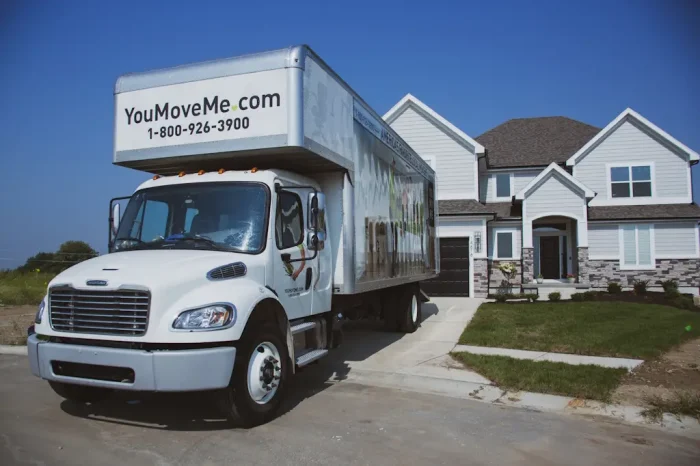
Some national carriers combine multiple households in a single trailer. This can increase handling, create longer delivery windows, and introduce more variables. Many long-distance moving companies in Denver operate under a one-team, one-truck model. One crew manages the move from start to finish, and the truck carries only one household’s belongings. Fewer transfers mean fewer opportunities for delays or misplaced items.
For long-distance moves, limiting touchpoints is one of the most effective ways to maintain accountability.
Protecting the Home Before Loading Begins
Before boxes are even carried out, protecting the property itself is a critical step. Cross-country moves involve heavier furniture, extended loading times, and repeated trips through entryways.
Professional crews lay down floor runners to protect hardwood, tile, and carpet. Door frames, stair railings, and tight corners get padded to prevent scrapes. Clear pathways let crews work efficiently without risking damage.
Home protection is not an afterthought. It’s part of the process from the first step inside.
Wrapping and Padding Furniture for the Road
Long-distance transportation introduces vibration, shifting, and extended movement. Without proper wrapping, even sturdy furniture can suffer cosmetic damage.
Experienced movers use heavy-duty moving blankets, shrink wrap, and secure padding techniques. Each piece gets wrapped individually, with special attention to corners, legs, and delicate finishes.
Fragile items like glassware, artwork, and electronics go into reinforced boxes with internal cushioning. Heirlooms and antiques get stabilized to prevent movement during transit.
Professional wrapping prevents surface scratches and structural damage over long distances.
Strategic Loading for Cross-Country Travel
Loading a truck for a long-distance move requires more than filling space. Weight distribution plays a major role in protecting items throughout the journey.
Crews working for long-distance carriers typically follow structured loading systems. Heavier items create a stable base. Fragile and lightweight items get positioned to avoid compression. Tie-down straps and bracing methods secure the load to reduce shifting during braking or turns.
These techniques keep belongings stable from departure in Denver to arrival at the destination.
Coordinating Arrival With Delivery
Timing can be one of the most stressful parts of a cross-country relocation. Arriving at a new home without furniture or essential belongings creates unnecessary disruption.
When shipments are not consolidated, scheduling becomes more streamlined. Dedicated long-distance moves aim to coordinate delivery with the homeowner’s arrival whenever possible. This alignment reduces waiting periods and lets households settle in more quickly.
Many people researching long-distance options for out-of-state relocations prioritize delivery timing as much as price.
Protection Continues at the Destination
The protective process does not end when the truck arrives. The new home needs the same safeguards as the original property.
Crews lay down floor runners. Doorways get protected. Furniture gets carried carefully into designated rooms. Professional movers also assist with placement, making sure large items end up where they belong before the crew leaves.
Careful unloading prevents damage at the final stage and ensures the move concludes smoothly.
What Makes Cross-Country Moves Unique?
Cross-country relocations differ from local moves in several important ways:
- Extended transport time
- Greater need for stabilization and secure loading
- Increased emphasis on detailed scheduling
- Fewer allowable errors in coordination
- Higher importance placed on communication and timing
Because of these factors, long-distance carriers typically operate with stricter systems and more structured oversight than local-only providers.
How Are Interstate Movers Regulated?
Every interstate moving company in the United States must register with the Federal Motor Carrier Safety Administration (FMCSA) and carry a valid US DOT number. The FMCSA’s Protect Your Move resource lets you verify a mover’s license, complaint history, and insurance before you book. Reputable cross-country moving companies welcome that kind of homework.
Planning Is the Foundation of a Successful Move
A smooth cross-country relocation starts well before moving day. Accurate inventory documentation, protective planning, and clear scheduling are all essential components.
When evaluating long-distance carriers, look for clear processes around home protection, furniture wrapping, dedicated transport, and delivery coordination. Long-distance moving is not improvised. It is methodical.
Understanding what truly goes into a cross-country relocation helps set realistic expectations and keeps both the home and belongings protected every mile of the journey.
Ready to plan your move? Request your free estimate from You Move Me Denver today.